Professional Stucco Painting in Scottsdale
Stucco is the most common exterior finish on Scottsdale homes, and painting it properly requires understanding the substrate. We inspect, prepare, and coat stucco surfaces with the care Arizona's climate demands.
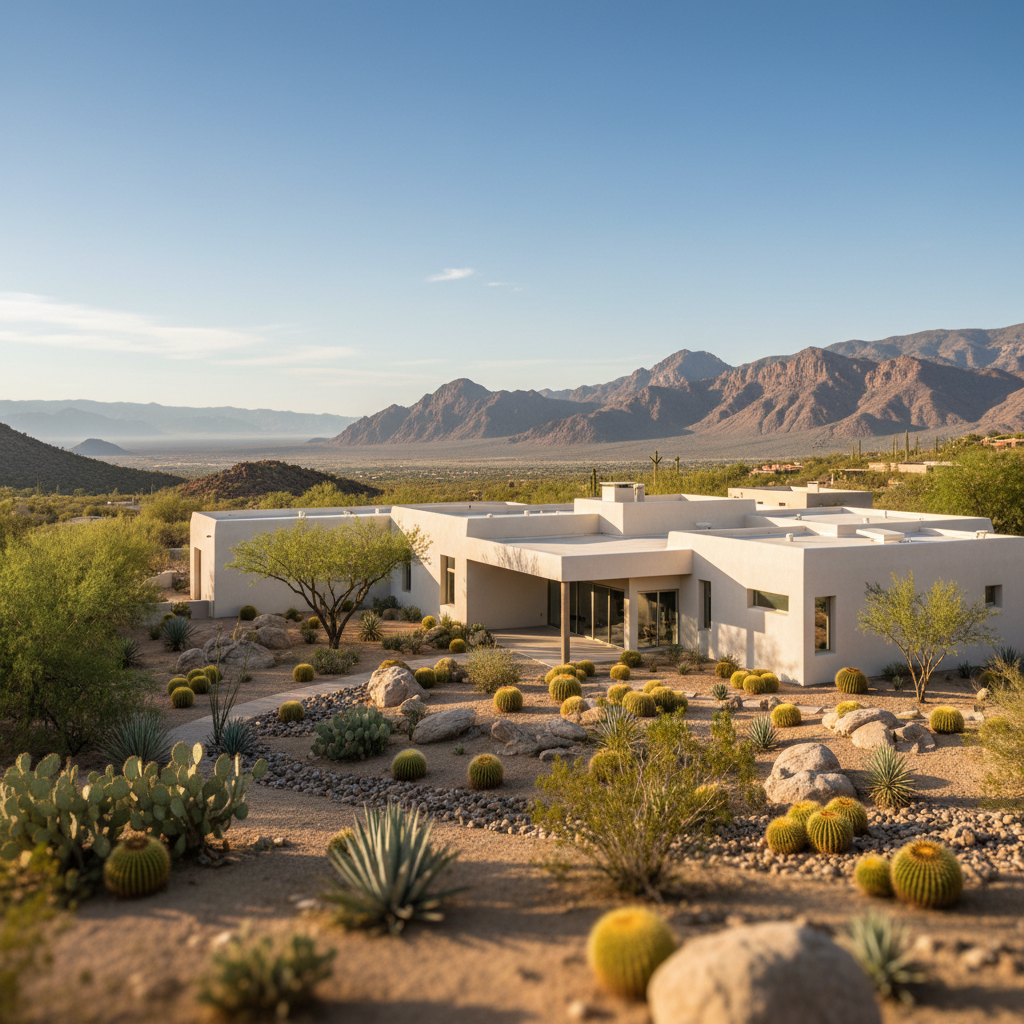
Scottsdale Stucco
Arizona Experts
Stucco in Scottsdale
Why stucco painting requires specific knowledge
Stucco is a cement-based exterior finish that behaves differently from wood siding or other substrates. It is porous, it develops hairline cracks over time as a home settles and expands and contracts with temperature changes, and it retains moisture differently than other surfaces.
Scottsdale's desert climate adds additional considerations. Intense UV exposure causes older coatings to chalk and fade. Monsoon moisture can enter through cracks and failed caulk. And the sheer number of stucco homes in the area means there is a wide range of conditions — from well-maintained newer stucco to older homes with significant coating buildup and surface degradation.
Painting stucco successfully starts with understanding the condition of the specific stucco on your home, not applying a generic approach to every project.
Hairline Cracks
Hairline cracks are common in stucco and do not always indicate structural problems. They should be evaluated and addressed before painting to prevent moisture intrusion and visible cracking through the new coating.
Chalking
Chalking is the powdery residue that develops on older exterior coatings as they break down. Chalking must be thoroughly removed before painting — new paint applied over chalking will not adhere properly.
Previous Coating Buildup
Older stucco homes may have multiple layers of previous paint. Thick coating buildup can affect how the surface accepts new paint and may require additional evaluation.
Moisture Damage
Areas with visible staining, bubbling, or soft spots may indicate moisture issues. These conditions should be identified and addressed before painting to prevent recurring problems.
Texture Consistency
Repaired areas may have slightly different texture than surrounding stucco. Texture matching is part of proper stucco repair work before painting.
Color Changes
Changing the color of stucco — particularly going significantly lighter or darker — may require additional preparation or coating considerations to achieve an even, consistent result.
Stucco Preparation
How stucco should be prepared before painting
Proper stucco preparation is what separates a paint job that holds up for years from one that begins failing prematurely. Skipping preparation steps on stucco is especially costly because problems — peeling, cracking, and moisture intrusion — are expensive to fix after the fact.
Surface Inspection
We inspect the stucco for cracks, damaged areas, moisture staining, chalking, and any conditions that affect preparation requirements. Not every stucco home requires the same work.
Pressure Washing
Thorough cleaning removes chalking, dirt, dust, mildew, and surface contaminants. Clean stucco accepts new coatings far better than contaminated surfaces.
Crack Evaluation & Repair
Hairline cracks are evaluated for severity. Cracks that could allow moisture intrusion are filled and sealed. Larger structural cracks require evaluation beyond painting preparation.
Damaged Area Patching
Damaged or deteriorated stucco areas are patched and texture-matched as closely as possible to the surrounding surface before any coating is applied.
Caulking
Gaps at window frames, door surrounds, utility penetrations, and trim joints are caulked to prevent moisture intrusion and improve the finished appearance.
Primer Application
Primer is applied where needed — on bare or repaired stucco, heavily chalked surfaces, or where coating compatibility requires it. Not every stucco project requires a full prime coat.
Coating Options
Acrylic vs. elastomeric coatings for stucco
Two coating types are commonly used on stucco homes in Arizona: standard exterior acrylic paint and elastomeric coatings. Neither is automatically the right choice for every home — the decision depends on the condition of the stucco, the extent of existing cracking, and the goals of the project.
Exterior Acrylic Coatings
High-quality exterior acrylic paints are the most common choice for stucco homes in Scottsdale. They offer good durability, UV resistance, and breathability — allowing moisture vapor to escape from the substrate.
Considerations
Good adhesion to properly prepared stucco
Available in a wide range of colors and finishes
Breathable — allows moisture vapor transmission
Generally appropriate for stucco in good condition
Does not bridge significant cracks
Elastomeric Coatings
Elastomeric coatings are thicker, more flexible coatings that can bridge hairline cracks and provide a waterproof barrier. They are sometimes recommended for stucco with significant cracking, but they are not automatically the best choice for every home.
Considerations
Can bridge hairline and small cracks
Provides a waterproof barrier
Thicker application — changes surface appearance
Less breathable than standard acrylic — moisture trapping is a concern
Not appropriate for every stucco condition
More expensive than standard exterior acrylic
The right coating depends on your specific stucco
Coating selection should be based on a proper evaluation of the stucco — its condition, existing coatings, crack patterns, moisture history, and the goals of the project. We discuss coating options as part of every stucco painting estimate and explain the tradeoffs so you can make an informed decision.
FAQs